Grave relocation and exhumation services refer to the process of moving human remains from one burial site to another.
In Singapore, this is sometimes needed due to land use changes and cemetery management. Over time, burial grounds may be cleared, and families are informed to make arrangements for grave relocation.
For many, this can feel unfamiliar and may bring up difficult emotions. During such times, it becomes important for the process to be handled with care and understanding.
If support is needed, Memorial Funeral Specialist is available to assist with exhumation services and grave relocation.
What Is Grave Relocation and Exhumation?
Exhumation is the formal process of removing human remains from a burial site. This may involve full remains or, in some cases, only bones after natural decomposition. The process is carried out under controlled conditions and must follow local regulations.
Grave relocation refers to what happens after exhumation. It involves transferring the remains to a new resting place. This could be another burial plot, a cremation facility, or a columbarium niche for long-term storage of ashes.
While the terms are often used together, they are not the same. Exhumation is one stage within the broader process of grave relocation.
In Singapore, exhumation services and grave relocation are usually arranged for specific reasons:
- Government redevelopment projects that require land clearance
- Closure of cemeteries or changes in land use
- Family decisions to consolidate remains in a single location
Legal Requirements for Exhumation and Grave Relocation in Singapore
Exhumation in Singapore is regulated to ensure the process is carried out in an orderly and respectful way. In most cases, exhumation services must follow guidelines set by the relevant land and cemetery authorities.
Before any work can begin, approval is required. This is usually submitted through the authorities or handled by a licensed service provider on behalf of the family.
During this stage, certain documents are needed, including identification of the deceased, burial plot details, and proof of relationship or authorisation from the next of kin. Once the application is reviewed and approved, arrangements for the exhumation can proceed.
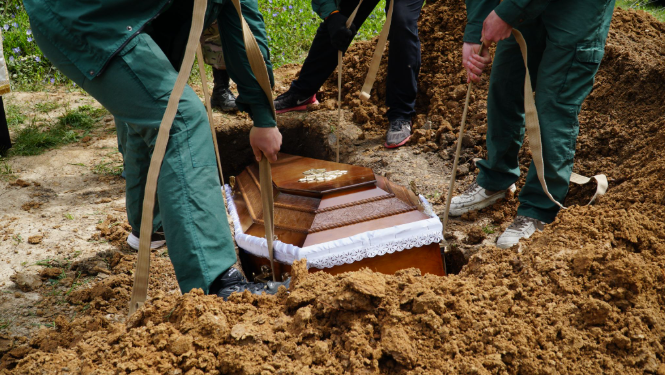
When Is Exhumation Required?
Exhumation is not always something families choose on their own. In Singapore, it is often carried out because of specific needs or circumstances.
One of the most common situations is government redevelopment. When land is needed for public projects or infrastructure, burial sites may be cleared. Families are then informed in advance and guided through exhumation services and grave relocation arrangements.
There are also cases where families choose to proceed on their own. This may be to bring relatives together in one resting place, or to move remains to a more suitable long-term arrangement.
Religious or cultural considerations can also influence the decision. Some families follow traditions that guide how and where remains should be relocated.
In many situations, the process ends with relocation to a columbarium niche, where ashes are kept in a dedicated space for remembrance.
Step-by-Step Exhumation Process
- Application and Approval
Applications are submitted either through the relevant authority or with help from a licensed service provider. At this stage, basic details are required, such as the deceased’s identity, burial location, and next-of-kin information.
Once submitted, the application is reviewed before approval is given. - Scheduling the Exhumation
After approval, a date for exhumation is arranged. Families are usually informed in advance so they have time to prepare. Some choose to attend the process, while others prefer not to be present. - Exhumation Ceremony
Depending on the family’s beliefs, a short ceremony may take place before or during exhumation. This can include Buddhist, Taoist, Christian, or other religious rites. Religious leaders may lead prayers or rituals, while family members may be present to pay respects. - Handling of Remains
Once exhumation is completed, the remains are carefully handled according to the chosen arrangement.
Common options include cremation, reburial, or placement in a columbarium niche. Each option follows specific procedures to ensure proper care throughout the grave relocation process.
Types of Grave Relocation Options
After exhumation, the next step is deciding where the remains will go. There is no single “standard” choice, as it depends on family wishes, religious practice, and how the remains are meant to be cared for in the long term.
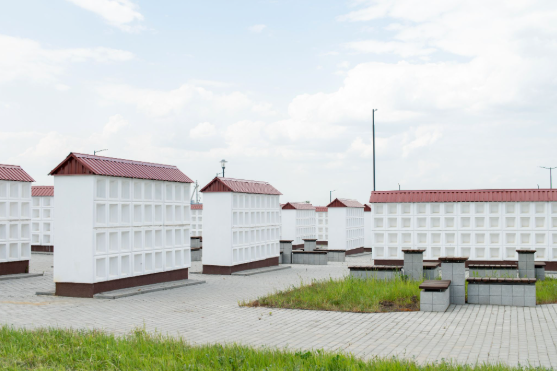
One common option is placement in a columbarium niche. After cremation, the ashes are placed in a designated compartment within a columbarium. Families often choose this for its structure and ease of visitation.
Another option is relocation to another cemetery. This continues the traditional burial approach, where remains are reinterred in a different burial ground that allows it.
In many cases, cremation is part of the process if it has not already been done during exhumation. Once cremated, the ashes can be kept, placed in a niche, or managed according to family arrangements.
Some families choose ash scattering, where permitted. This is done in approved areas under local regulations, such as at sea or designated scattering locations.
Each option comes with its own procedures under exhumation services, including documentation, timing, and handling methods. Families often review these choices carefully before deciding on the most suitable arrangement for their situation.
Cultural and Religious Considerations
In Singapore, exhumation services and grave relocation are closely tied to culture, religion, and family beliefs, which can shape how each step is handled.
For many Buddhist and Taoist families, rituals are an important part of the process. Chanting, offerings, and prayers are often included to show respect and to guide the transition. These practices help families feel that the deceased are properly cared for during relocation.
Christian and Catholic families usually focus on prayers and remembrance. A blessing may be held before exhumation or after relocation. The emphasis is often on farewell and keeping the memory of the loved one.
For Muslim families, burial is generally intended to remain undisturbed. Exhumation is rare and only carried out under specific religious and legal conditions, with guidance from religious authorities.
Other than religion, there is also a broader cultural layer in Singapore. Many families have grown up with traditional burial practices, but land limitations have gradually changed what is possible. This is why grave relocation and columbaria have become more common over time.
Even so, not everyone approaches this in the same way. Some families feel strongly about preserving burial sites, while others choose relocation for practical reasons, such as bringing relatives together or planning for future generations.
In the end, these decisions are usually made within families, with respect for both tradition and present-day realities. It is often less about choosing one “correct” approach, and more about finding what feels appropriate for everyone involved.
Emotional and Family Considerations
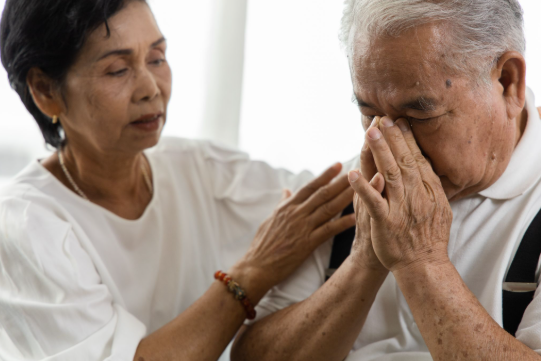
Exhumation is not only a practical process, it also carries emotional weight. It involves revisiting memories and making decisions about someone who was important in their lives.
It is normal for different family members to feel differently about grave relocation. Some may want to proceed quickly, while others may need more time to process the change. These differences are common, and they often require open discussion.
Before making arrangements with exhumation services, it helps to discuss matters as a family first, so that important decisions are agreed on early and can help prevent confusion later.
Many families also find it helpful to understand what will happen at each stage. Knowing the steps in advance can make the process feel more manageable, especially when emotions are involved.
During grave relocation, some families choose to include a small moment of remembrance. This may be a prayer, a quiet visit, or simply being present during part of the process. Others prefer to remember in private after everything is completed.
There is no fixed way to handle this. What matters most is that the decision feels respectful and considered for everyone involved.
Choosing a Reliable Exhumation Service Provider
Memorial Funeral Specialist in Singapore provides support for exhumation services and grave relocation. We help families understand the process clearly, coordinate the arrangements, and ensure that religious and cultural needs are respected throughout.
- Clear step-by-step guidance
The process is explained in simple terms, from application to final relocation. Families should know what happens at each stage. - Help with approvals and paperwork
Exhumation involves coordination with authorities. Memorial Funeral Specialist will assist with documents and submission requirements. - Respect for religious and cultural practices
Different families may require specific rites or customs. With guidance from Memorial Funeral Specialist, these can be understood and arranged in a way that respects each family’s beliefs. - Transparent communication
Costs, timing, and service scope will be explained clearly before decisions are made. - Coordination across all arrangements
With multiple steps and parties involved, we handle the coordination carefully so the process can move forward with less confusion and delay.
Conclusion
Exhumation services and grave relocation in Singapore are never just procedural tasks. For most families, they are closely tied to memory, respect, and personal history.
Because of this, even though the process follows clear steps, it can still feel unfamiliar at first. There are forms to complete, decisions to make, and arrangements to coordinate, which can feel like a lot to manage.
In such situations, what often helps is clarity and steady guidance. When each stage is understood, families can move through the process at their own pace, with fewer uncertainties along the way.
If support is needed, Memorial Funeral Specialist is available to assist with exhumation services and grave relocation.