When a loved one passes away, there are often practical arrangements that need to be made within a short time. This can include deciding where the wake will be held, arranging the necessary paperwork, and making plans for the funeral service.
A funeral director helps coordinate these arrangements and can explain what needs to be done along the way. Understanding their role can help you know what to expect and what kind of support they can provide.
What is a Funeral Director?
A funeral director is a professional who helps families arrange and coordinate a funeral after someone has died.
Their role can cover practical arrangements such as transporting the deceased, preparing the body where required, organising the wake, and coordinating burial or cremation. They may also assist with permits and other arrangements involved in the funeral process.
The exact arrangements will depend on factors such as the deceased’s wishes, the family’s preferences, religious or cultural practices, and whether the family chooses burial or cremation.
A funeral director is often the person coordinating different parts of the process so your family doesn’t have to figure everything out alone.
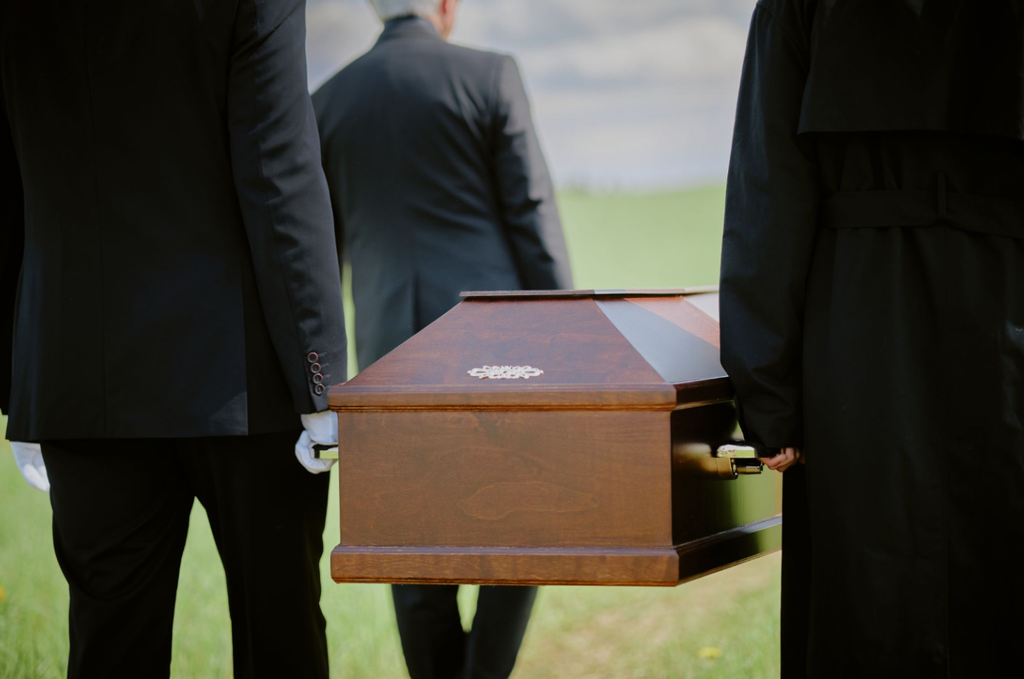
What Does a Funeral Director Do?
The exact services vary between funeral providers, but a funeral director will generally help with the following:
1. Arrange Transportation of the Deceased
After a death has been certified and the necessary arrangements can proceed, the deceased may need to be transported from a hospital, mortuary, or home.
A funeral director can arrange the collection and transportation of the deceased to the funeral parlour or wake venue.
2. Coordinate Body Preparation
Depending on the funeral arrangements, the deceased may need to be prepared before the wake.
This may include embalming where it is required or chosen. Embalming helps delay decomposition and may be necessary for certain arrangements, such as viewing or an open-casket wake.
Your funeral director can explain what preparation is appropriate based on the arrangements you choose.
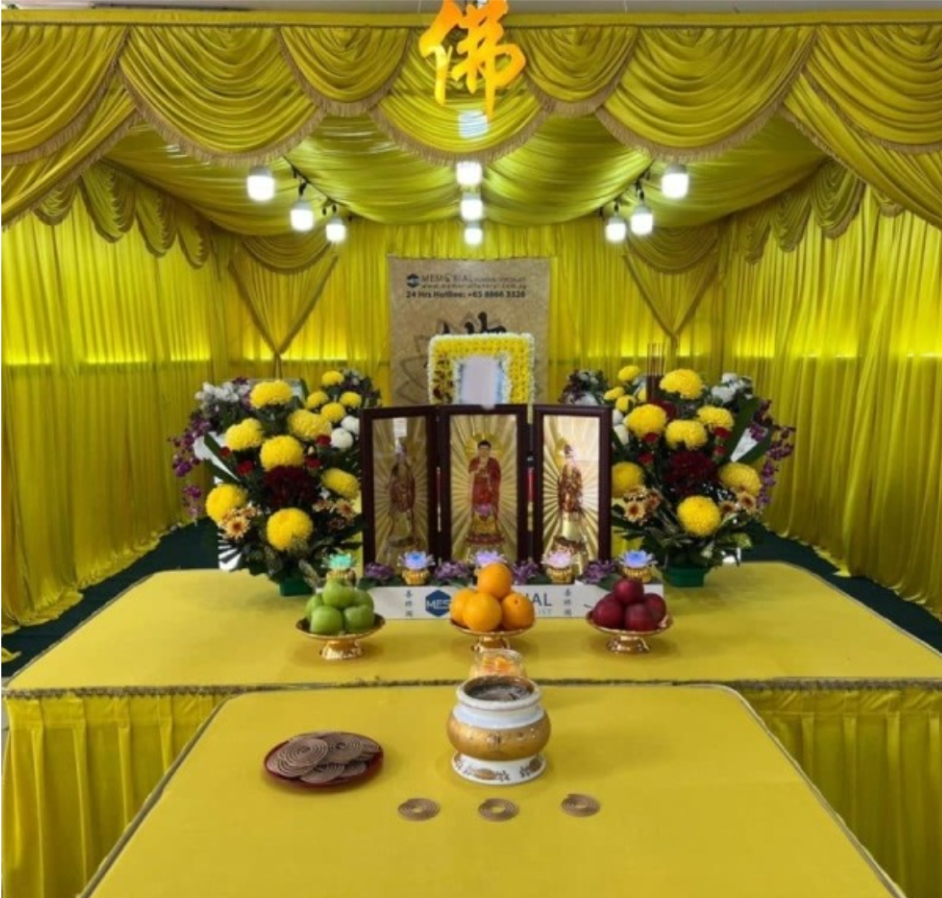
3. Help Organise the Funeral Wake
A funeral wake can take place in different settings, including a funeral parlour, HDB void deck or home, depending on the family’s arrangements and the relevant requirements.
A funeral director can help coordinate practical details such as:
- Wake venue
- Duration of the wake
- Tentage or funeral parlour arrangements
- Funeral setup and furnishings
- Religious or cultural items
- Scheduling of ceremonies and services
4. Assist With Permits and Arrangements
There are administrative steps that need to be completed before a burial or cremation can take place.
For example, a Permit to Bury or Cremate is required before the relevant arrangements can proceed. The next-of-kin can apply directly, or authorise someone such as a funeral director to apply on their behalf.
A funeral director can also help coordinate the necessary bookings and paperwork for the funeral arrangements.
5. Coordinate Burial or Cremation
A funeral director can coordinate the burial or cremation according to the family’s chosen arrangements.
After cremation, families may also need to decide how the ashes will be handled. Depending on their wishes, ashes may be stored at home or in a columbarium, or scattered at sea or at a designated inland ash scattering facility.
6. Coordinate Religious and Cultural Arrangements
A funeral director may help coordinate the relevant rites, religious personnel, funeral items, and service arrangements based on your family’s religious or cultural requirements.
This may include coordinating with religious leaders or practitioners and arranging the items and services needed for the funeral.
7. Help With More Specialised Arrangements
Some families need arrangements beyond a standard funeral.
For example, this may include:
- Repatriation when a death occurs overseas
- Transportation of remains across borders
- Exhumation arrangements
- Sea burial
- Inland ash scattering
- Columbarium arrangements
These services can involve additional documentation and coordination. A funeral director can help you understand what needs to be arranged and coordinate the relevant services.
Making Funeral Arrangements After a Loss
If you’re dealing with a recent death, the practical arrangements can feel unfamiliar. The following steps give you an overview of what typically needs to happen:
- Have the death certified by a doctor. The doctor will certify the death online if the cause is known and from natural causes.
- Obtain the digital death certificate. Once the death has been certified, the next-of-kin can download the digital death certificate through LifeSG.
- Contact a funeral director. A funeral director can arrange the collection and transportation of the deceased and help with arrangements such as embalming and the funeral wake.
- Discuss the funeral arrangements. This may include the wake, religious or cultural rites, and whether the deceased will be buried or cremated.
- Arrange the necessary permits and bookings. The next-of-kin can apply for the Permit to Bury or Cremate directly, or authorise a funeral director to do so. The funeral director can also help coordinate the booking for burial or cremation.
Other Situations Where a Funeral Director Can Help
A funeral director can also help with arrangements outside the immediate funeral process. This may include planning ahead when a death is expected, making your own funeral arrangements in advance, or coordinating more specialised services.
When a Death is Expected
If a loved one is seriously ill or receiving end-of-life care, your family may want to discuss funeral arrangements before the death occurs.
This gives you time to consider practical details such as religious or cultural requirements, burial or cremation, the type of wake you may want, and other arrangements.
You don’t necessarily need to finalise everything at once. The discussion can simply help your family understand the options and what may need to be arranged later.
When You Want to Pre-Plan Your Own Funeral
A funeral director can also help you make arrangements for your own funeral in advance.
Funeral pre-planning allows you to discuss and record your preferences in advance. This may include the type of funeral, religious or cultural rites, and other arrangements you want your family to know about.
Why Does a Funeral Director Matter to Your Family?
When you’re grieving, even simple decisions can feel difficult.
You may be trying to support your family while also dealing with paperwork, appointments, religious requirements, and practical arrangements.
A funeral director can take responsibility for coordinating many of these details.
That can give you more time to focus on your family and your own grief.
A good funeral director should also explain your options clearly rather than leaving you to make decisions without understanding what you’re choosing.
What Should You Look for in a Funeral Director?
The right funeral arrangements will depend on your family’s circumstances, religious or cultural practices, and budget. When comparing funeral service providers, it can help to clarify what you’ll receive and who will be handling the arrangements.
When speaking with a funeral director, ask:
- What services are included? Ask for a clear breakdown of what the funeral package covers.
- What additional costs could apply? This helps you understand the overall cost before making decisions.
- Can the arrangements be adapted to our religious or cultural needs? Funeral customs and requirements can vary between families.
- Who will be handling our arrangements? Find out who you’ll be communicating with throughout the funeral process.
- What needs to be done first? If you’ve recently experienced a loss, ask the funeral director to explain the immediate arrangements.
- What support is available after the funeral? Depending on your circumstances, you may need help with arrangements involving ashes, repatriation, or other post-funeral matters.
You don’t need to know all the answers before speaking to a funeral director. That’s part of what they’re there to help you with.

Need a Funeral Director in Singapore?
A funeral director can help coordinate the practical arrangements after a passing, from collecting and preparing the deceased to arranging the wake, burial or cremation. They can also help if you’re planning a funeral in advance or need specialised arrangements such as repatriation or ash services.
If you need a funeral director, Memorial Funeral provides 24-hour funeral services for different religious and cultural needs.
📞 You can contact us at:
Phone: +65 8866 3326
Email: contact@memorialfuneral.com.sg